Town halls and charitable trusts
- Details
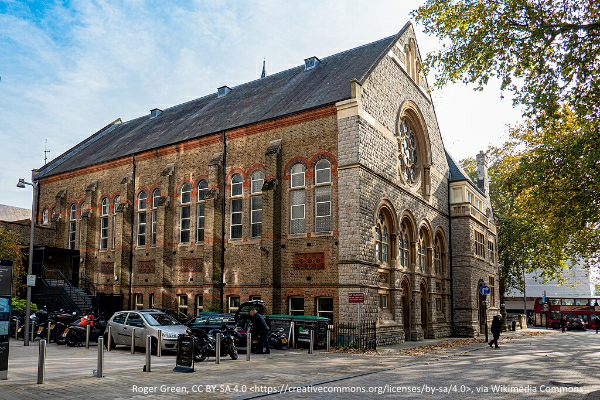
The First-Tier Tribunal recently considered whether the Charity Commission’s amended scheme for Victoria Hall, which forms part of the Ealing town hall complex, safeguarded the interests of its owner, the Victoria Hall Trust. Rosamund McCarthy Etherington and Hannah Kubie set out the background to the case and analyse the judgment.
The appeal of the Charity Commission’s amended scheme concerning the Victoria Hall Trust and the future of Victoria Hall in Ealing took place in November (Miller and another v Charity Commission for England and Wales and another).
The history of the case is complex. In 2023, a group of local residents successfully challenged the terms of a cy-près scheme made by the Charity Commission in relation to the Trust. The scheme had allowed for the disposal and development of the Ealing Town Hall complex by the London Borough of Ealing. This included property held by the Trust, of which the council is sole trustee. Whilst finding that a cy-près occasion had arisen, so that the Commission was entitled to make a scheme, the Tribunal ordered that it should be amended to better safeguard the Trust’s interests. One requirement was that an independent Advisory Committee be established to reconsider and renegotiate aspects of the development proposals and that the council be required to act on its recommendations. An amended scheme was made by the Commission in 2024, which was the subject of the latest challenge.


In considering the appeal against the 2024 scheme, the Tribunal noted that the heart of the case concerned how the Trust can provide facilities for the residents of Ealing. All parties were agreed that the means of achieving that would be under the development project, enabling it to have safe premises to rent out. The question for the Tribunal was whether the 2024 scheme sufficiently safeguarded the Trust to enable it to carry out its objects.
Governance and independence of decision-making by the Trust was a key focus of the challenge. It was argued that there should be additional protections, strengthening the governance and independence of the Advisory Committee, and that the council should be replaced as trustee before the development arrangements were finalised.
The Tribunal dismissed the appeal. It held that the amended scheme sufficiently incorporated the requirements of the earlier Tribunal decision on the previous scheme and sufficiently protected the Trust and its property whilst enabling it to have a future where its original purpose of providing facilities is viable.
In reaching its decision, the Tribunal noted that the Trust currently has no funding available to deal with a change to trusteeship, the council’s obligation to meet “all transaction costs” not extending to re-structuring costs. In relation to governance, the Tribunal made no finding as to the independence of the Advisory Committee. However, it recognised the importance of its independence, which it stated was clear in the 2024 scheme. The Tribunal held that, ultimately, the council is required to ensure the independence of the Advisory Committee. If it fails to do so, the Charity Commission could intervene and investigate.

This case was undoubtedly made more complex by the fact that consideration of disposal and development of the Town Hall complex was well underway before it was recognised that part of the property was held by the council as trustee of a charity. This and other common problems encountered by local authorities acting as charity trustees were highlighted last year in a Charity Commission regulatory alert.
See also this briefing on the issues from Hannah.
Rosamund McCarthy Etherington and Hannah Kubie are Partners at Stone King.
Sponsored articles


Walker Morris supports Tower Hamlets Council in first known Remediation Contribution Order application issued by local authority
Jobs














Litigation Lawyer

Paralegal

Lawyer


Local Government Lawyer - Commercial Property

Lawyer (Planning and Regulatory)
Locums
Directory